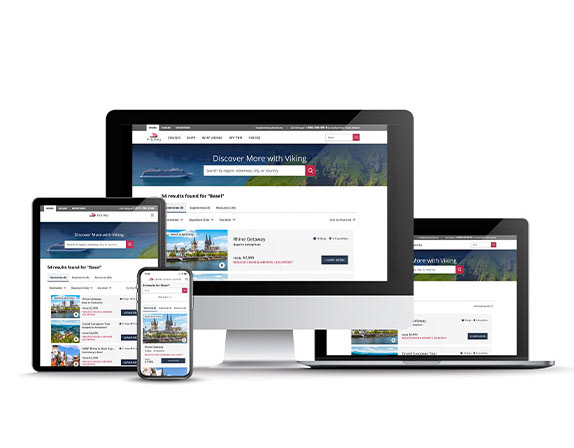
Transformed a non-user-focused search experience into an intuitive, data-driven, AI-powered platform — reducing customer support dependency by 50% within six months of launch.
Viking's search experience was creating a measurable, expensive problem: users couldn't find what they needed — cruise details, itinerary inclusions, contact info — so they picked up the phone. The result was inflated support costs, user frustration, and a missed opportunity for digital self-service at scale.
As UX Manager and Lead Designer, I led a cross-functional team to diagnose the failure points, design a fundamentally new search and information retrieval experience, and integrate AI (SearchGPT) to make it smarter over time.
Reduce support calls and online chat by 50% within six months by making the search experience so intuitive that users find what they need — without ever needing to reach a human.
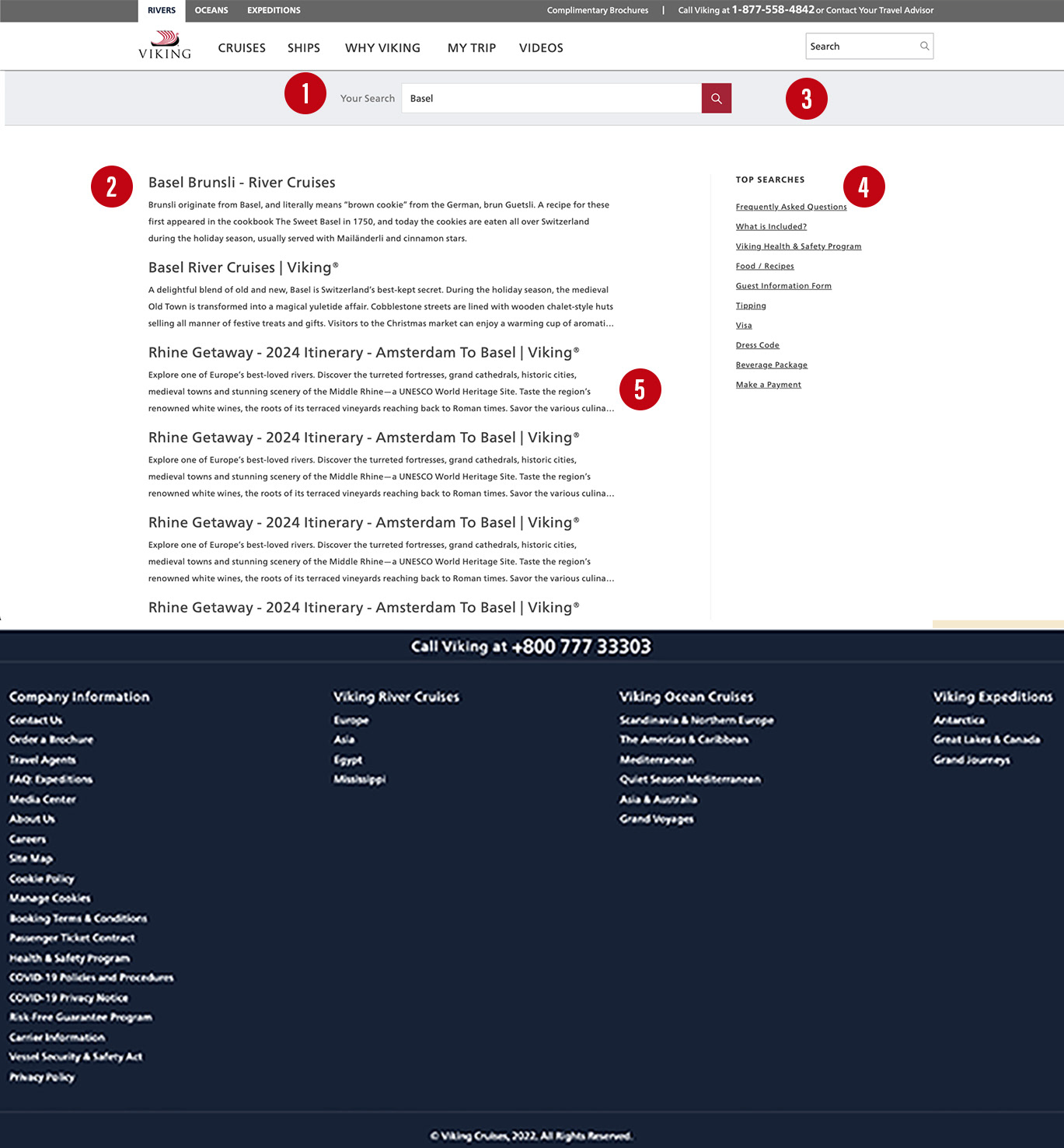
User research and support ticket analysis revealed five distinct pain points driving the support dependency. Each required a targeted solution.
Users couldn't find basic information — contact details, cruise specifics, itinerary inclusions — even for straightforward queries. The search engine didn't understand intent.
Users planning trips by destination had no way to filter itineraries by location — a critical, expected feature that was completely missing.
Insufficient filter options meant search results were overwhelming and irrelevant — leaving users no way to narrow down to what mattered.
New guests, past guests, and travel agency partners all had the same generic experience — none of their specific information needs were served.
Rich destination information — attractions, culture, weather, travel tips — was absent, making it harder for users to make confident booking decisions.
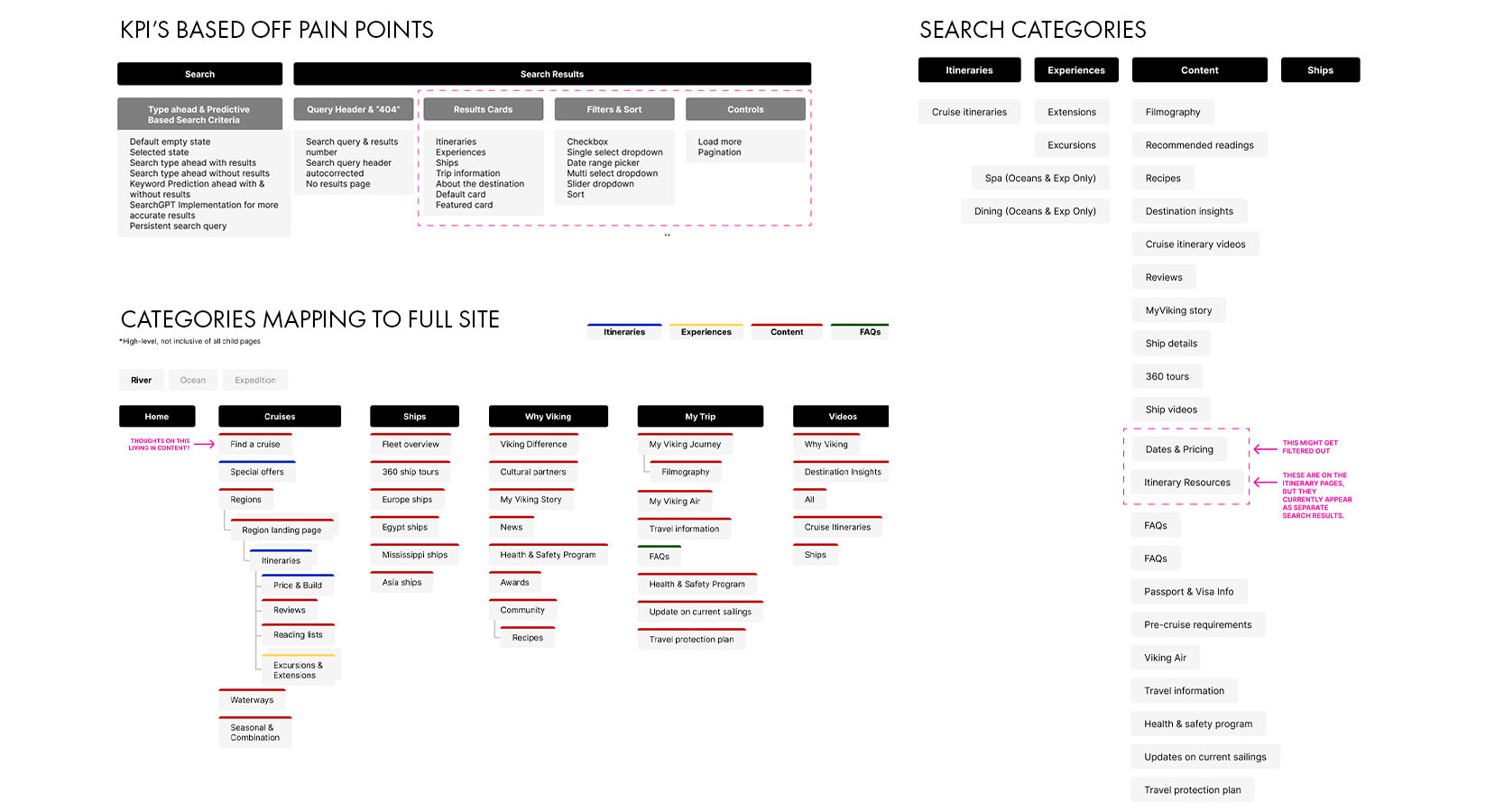
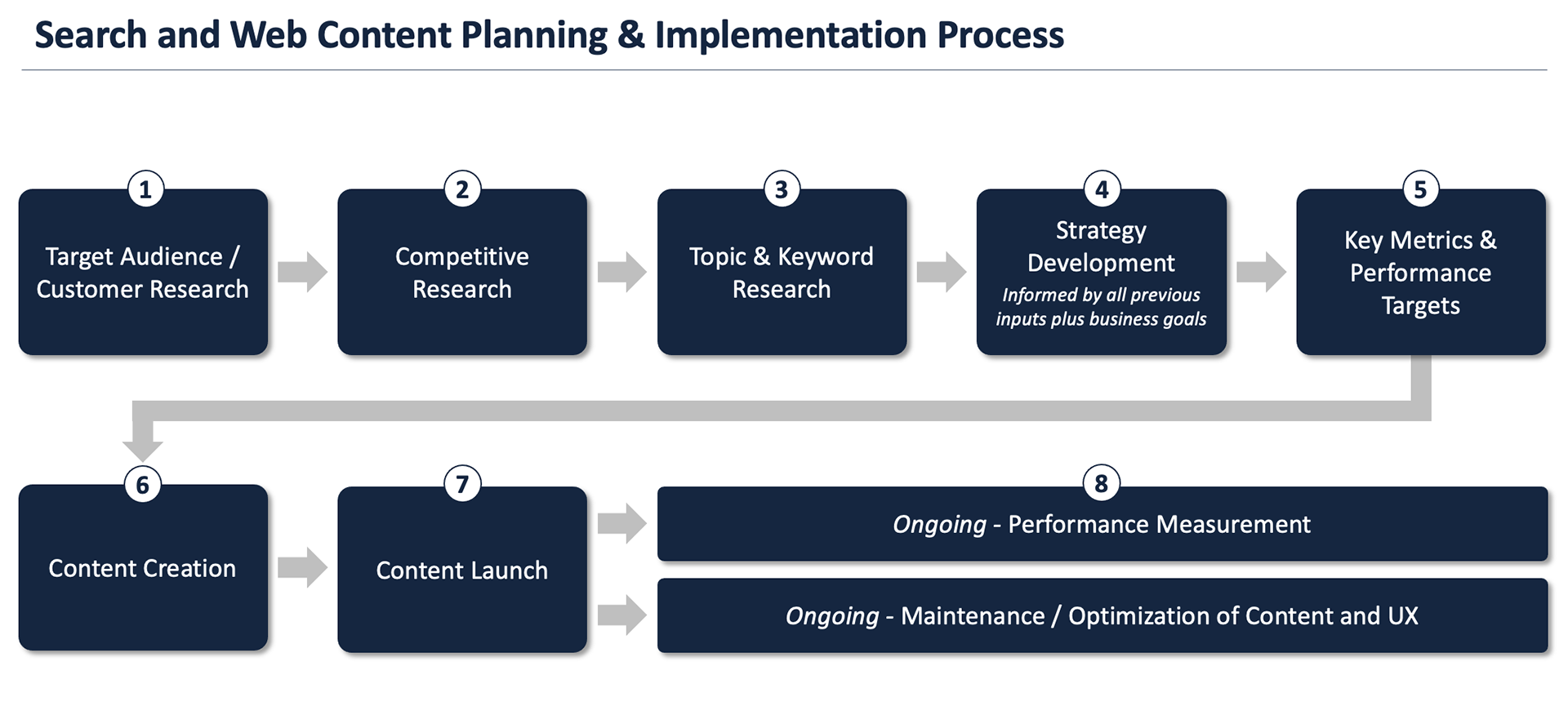
We structured the project around a continuous feedback loop — customer research first, KPIs established before any design began, then iterative design validated against both user testing and SEO performance data.
Customer & target audience research. Past passenger interviews. Competitive analysis of best-in-class travel search experiences.
Established measurable success metrics before designing — search success rate, support ticket volume, session depth, return search rate.
High-fidelity design informed by passenger interviews. Open communication loop with users throughout — not just at the start and end.
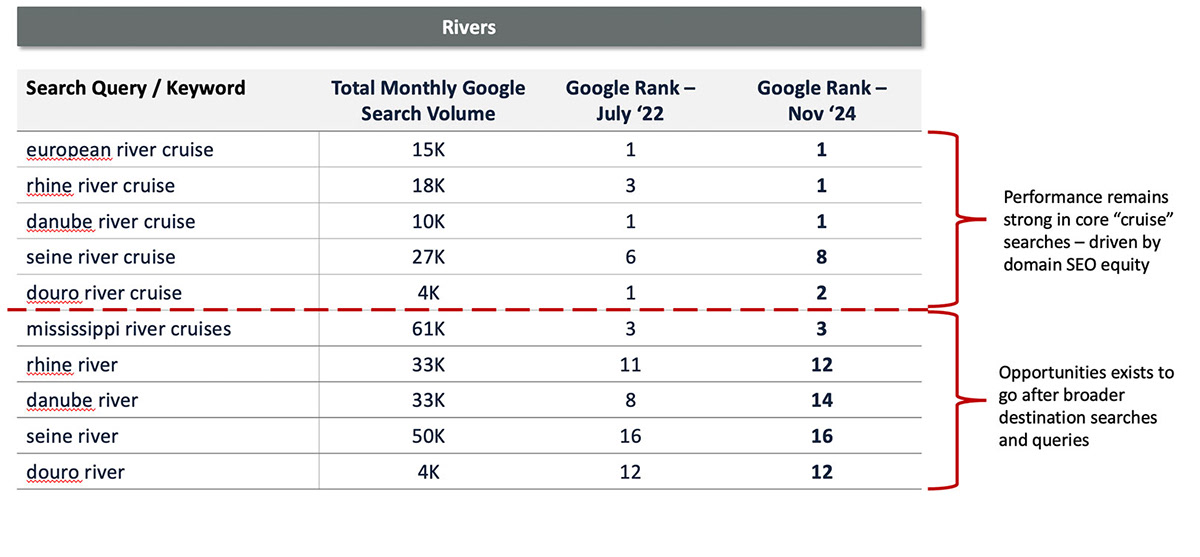
Post-launch performance measurement via domain SEO equity. Ongoing keyword quality and user behavior analysis to drive continuous improvement.
Auto-suggestions, predictive text, and NLP-powered query understanding. Quick access to frequently searched items. SearchGPT continuously learns from user behavior to improve accuracy over time.
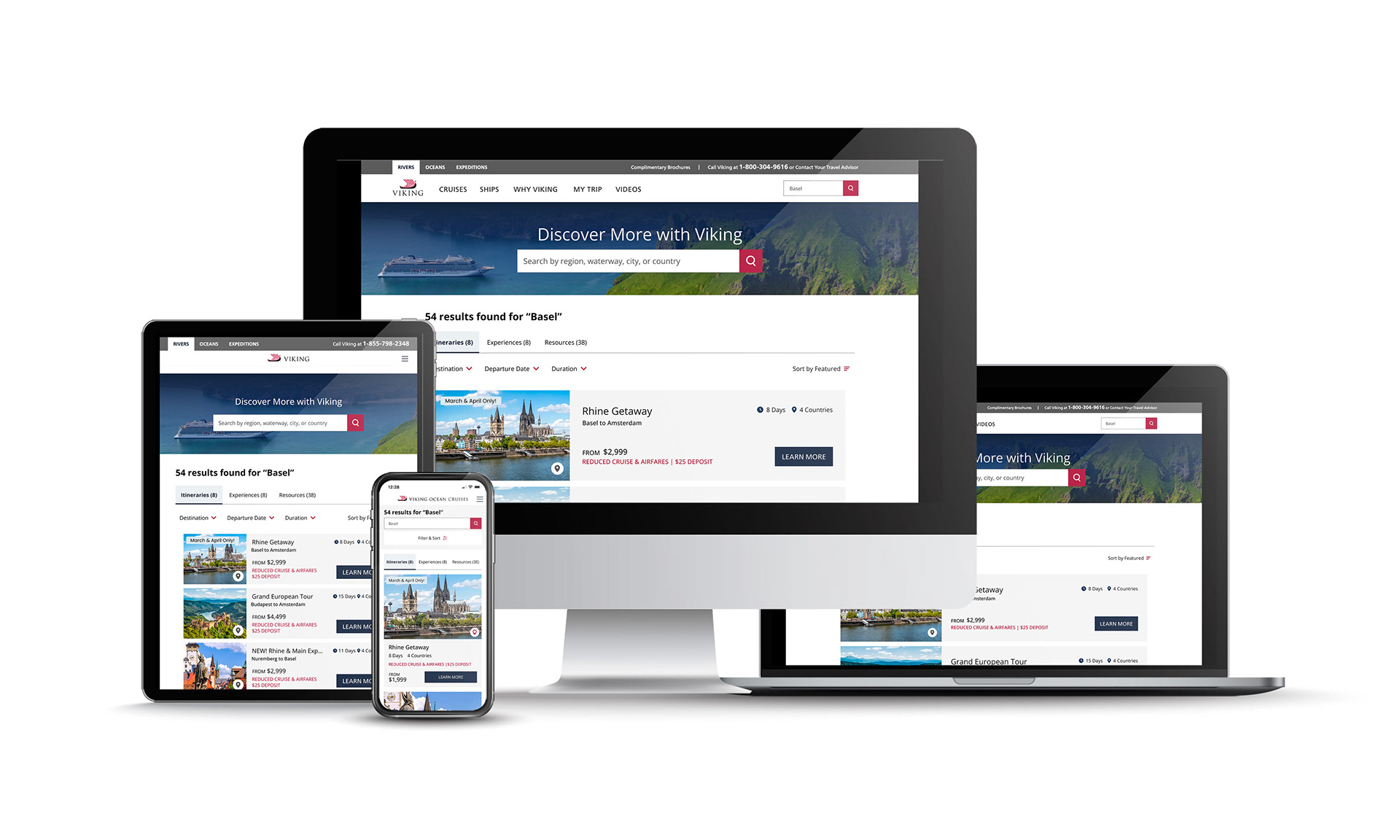
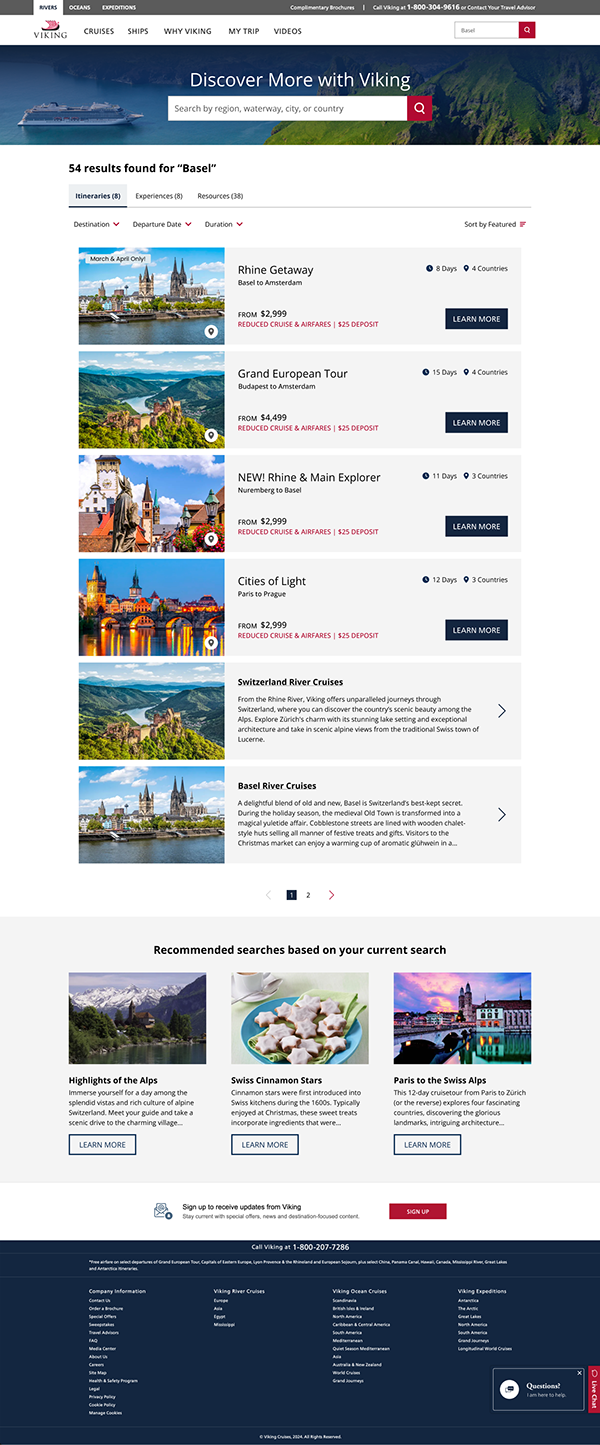
Search by destination, date, and cruise type. Interactive maps and visual aids to help users explore options spatially. Itinerary-based results surfaced as primary search outcomes.
Expanded criteria: price, duration, amenities, experiences, and destinations. Real-time filter application with keyword tags — the first truly modern search interface Viking had offered.
SearchGPT-enhanced resources tailored to new guests, past guests, and travel agents. Dedicated help center with FAQs, tutorials, and live chat. Bespoke pages that improve as usage grows.
After extensive past-passenger interviews, we moved to hi-fi — maintaining an open feedback loop with users throughout. The designs were informed as much by what users said in sessions as by the initial research phase.
↑ Full hi-fi designs available under NDA — contact Mark for a detailed walkthrough
In the first two months post-launch, the new search experience showed immediate and significant results against two years of prior domain performance baseline. The journey isn't finished — ongoing keyword analysis and user behavior data continue to drive iteration.
Calls and online chat reduced by 50% within six months — the core project goal, hit ahead of schedule.
Meaningful SEO and support metrics moved within two months of launch — faster than the six-month target window.
First AI-powered search experience in Viking's digital history — continuously improving from user behavior data.
Destination preferences, keyword patterns, and persona-specific content continuously optimised post-launch.