Designed from scratch — no benchmarks, no comparable tools in the market. A collaborative platform for monitoring component shortages, obsolescence case management, and predictive market intelligence for over 1 billion parts.
Datalynq is the electronic component industry's premier source for market intelligence, analytics, and obsolescence case management. The platform gives purchasers and decision makers real-time inventory data, transactional history, and pricing intelligence to mitigate obsolescence risk across manufacturing lines.
The challenge: most companies managed obsolescence through proprietary internal systems. There were no public benchmarks. No comparable tools. No existing UX patterns to borrow from. This was a genuine 0→1 design problem — requiring us to understand a highly specialised industry from first principles, then translate that understanding into an intuitive product.
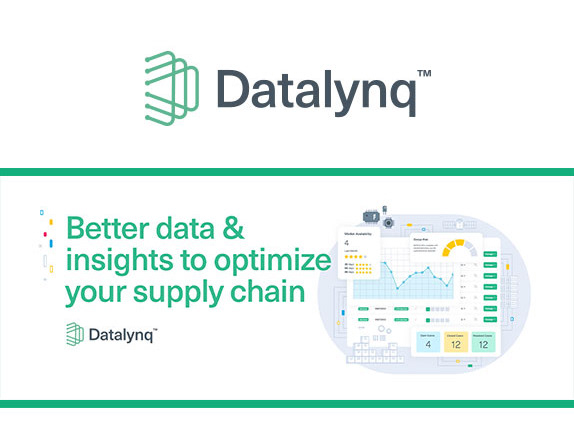
Design a product that has never existed publicly, for users who manage billions in component risk, working with partners like Boeing, Porsche, Intel, and Texas Instruments — and make it feel intuitive to someone new to the platform on day one.
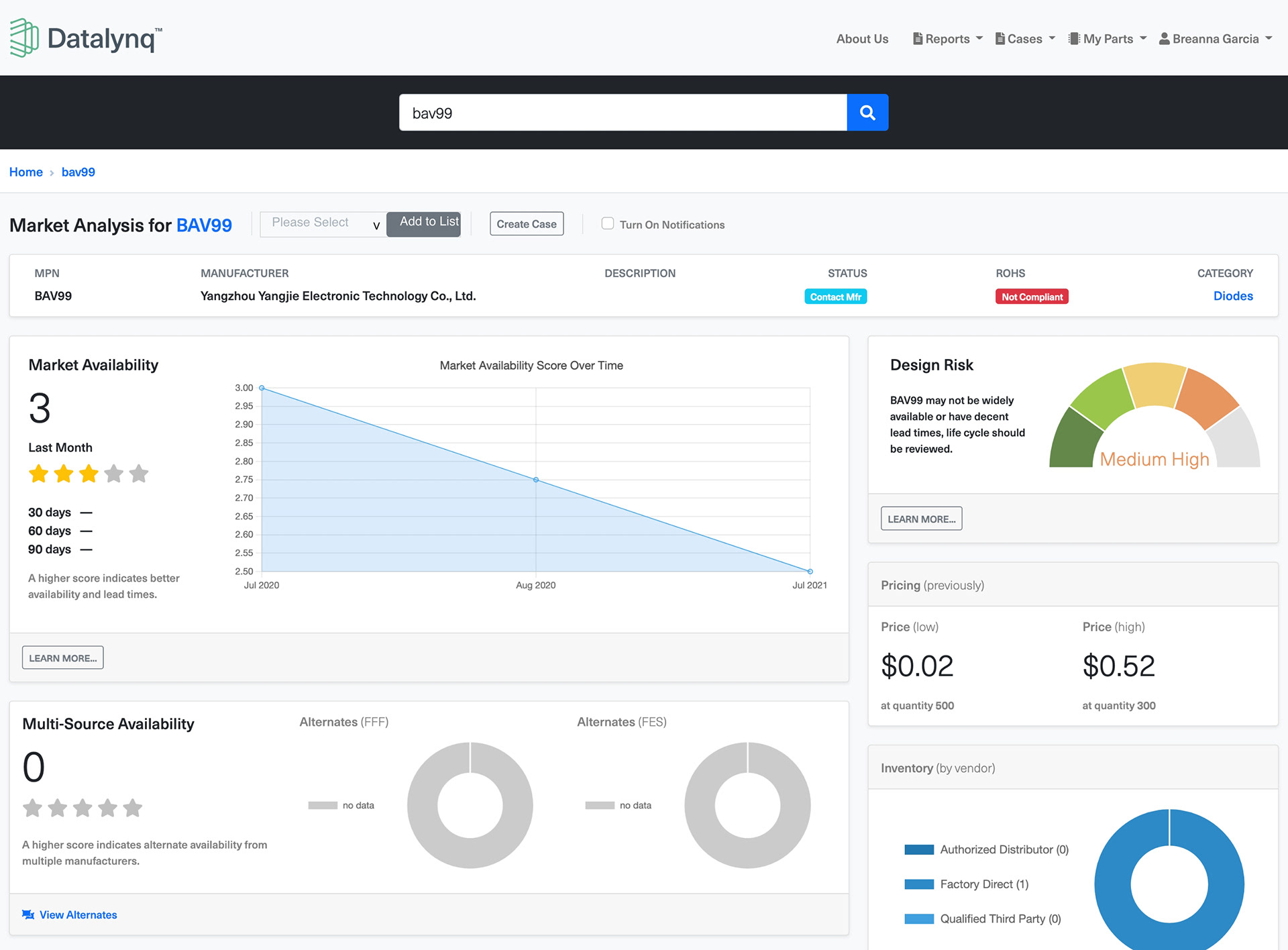
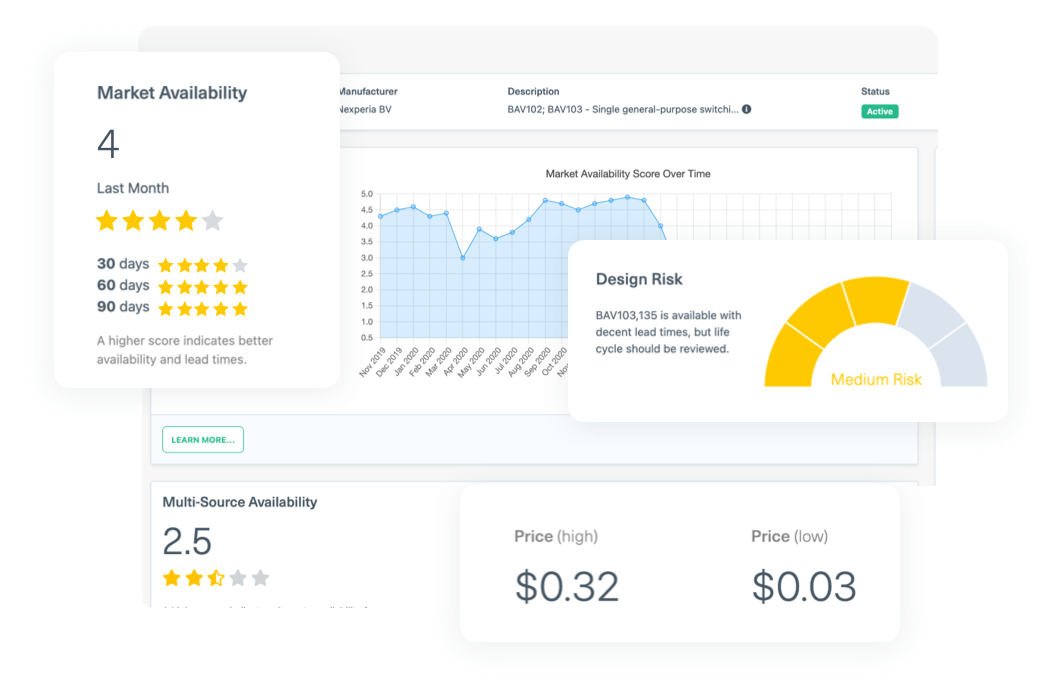
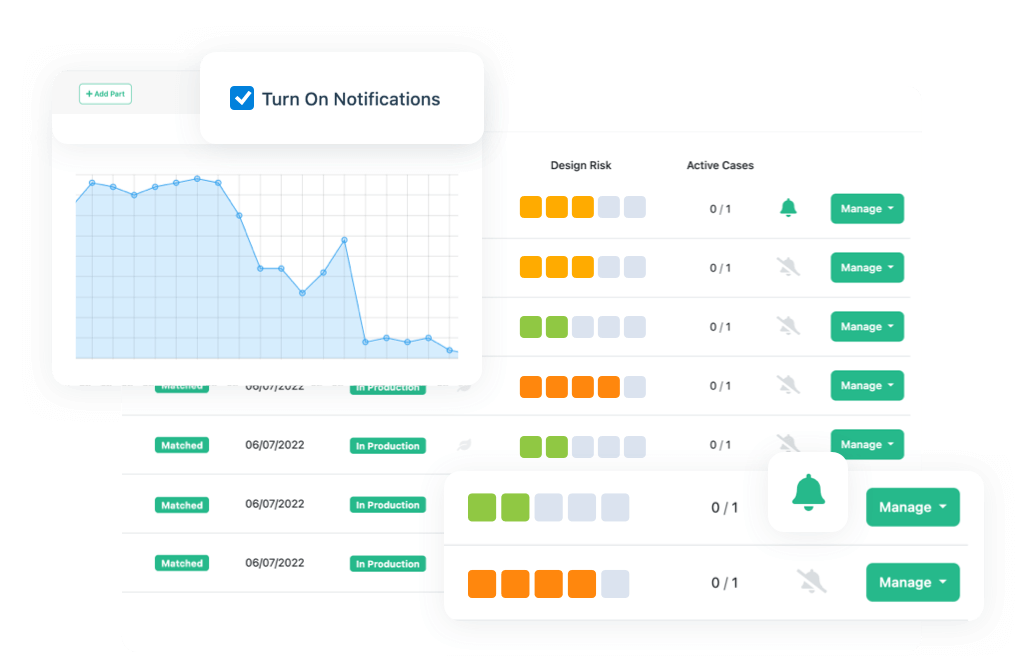
Intuitive dashboards displaying real-time market transactions. Predictive analytics to identify risks and opportunities. Customisable alerts for proactive risk management.
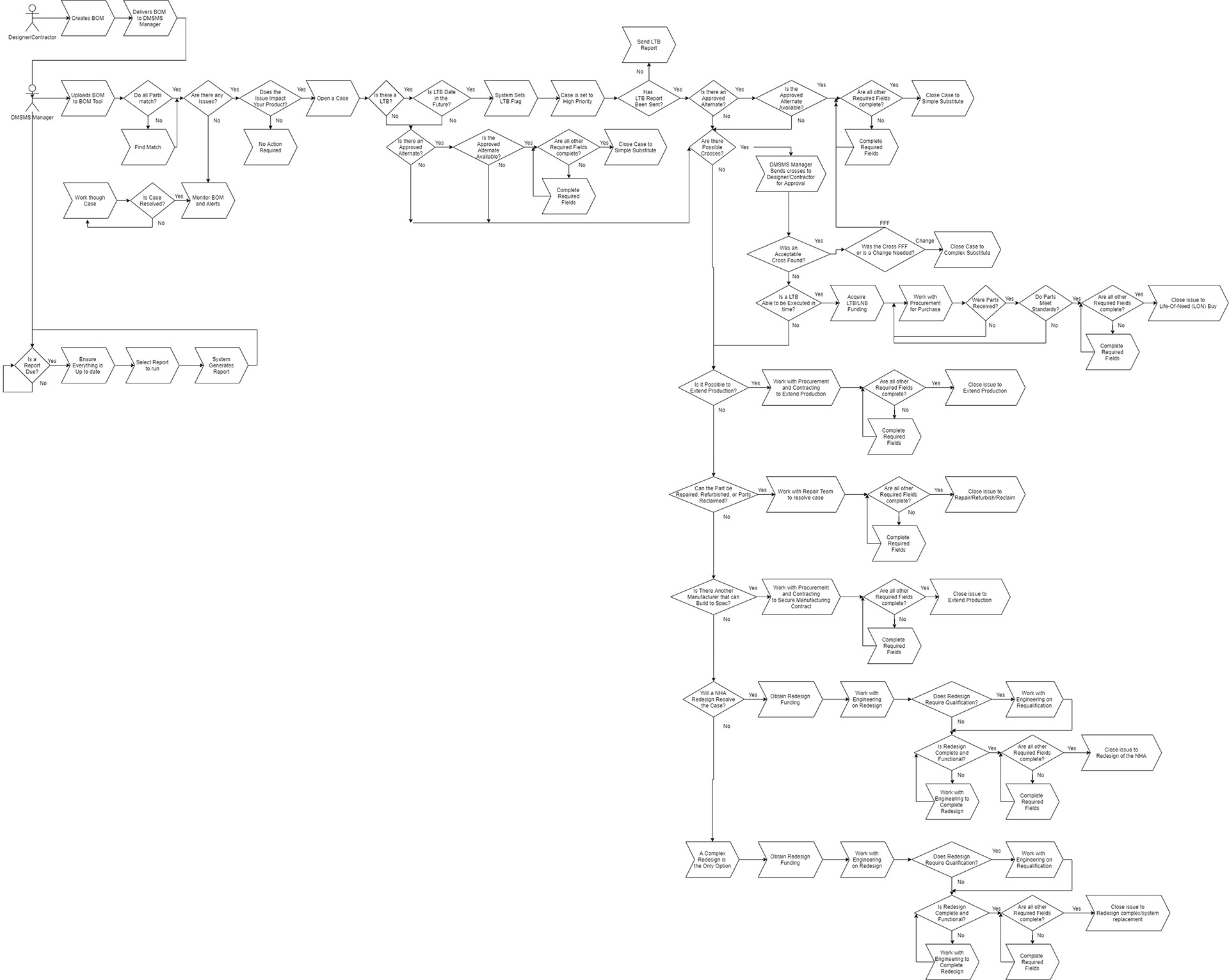
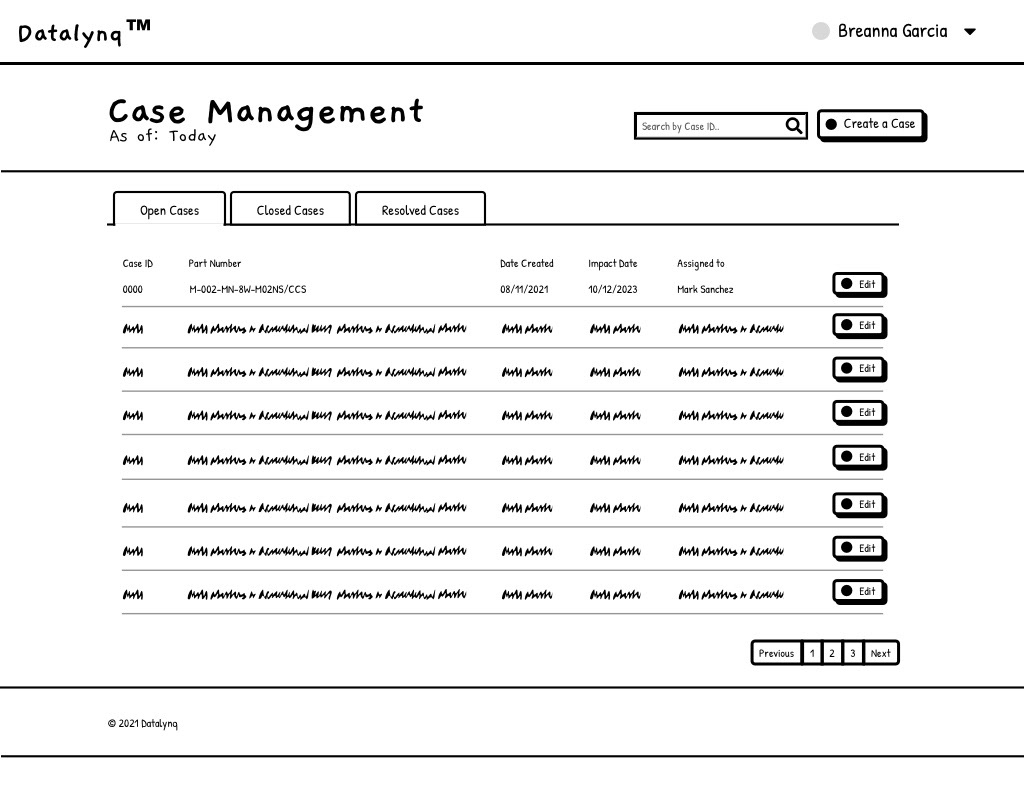
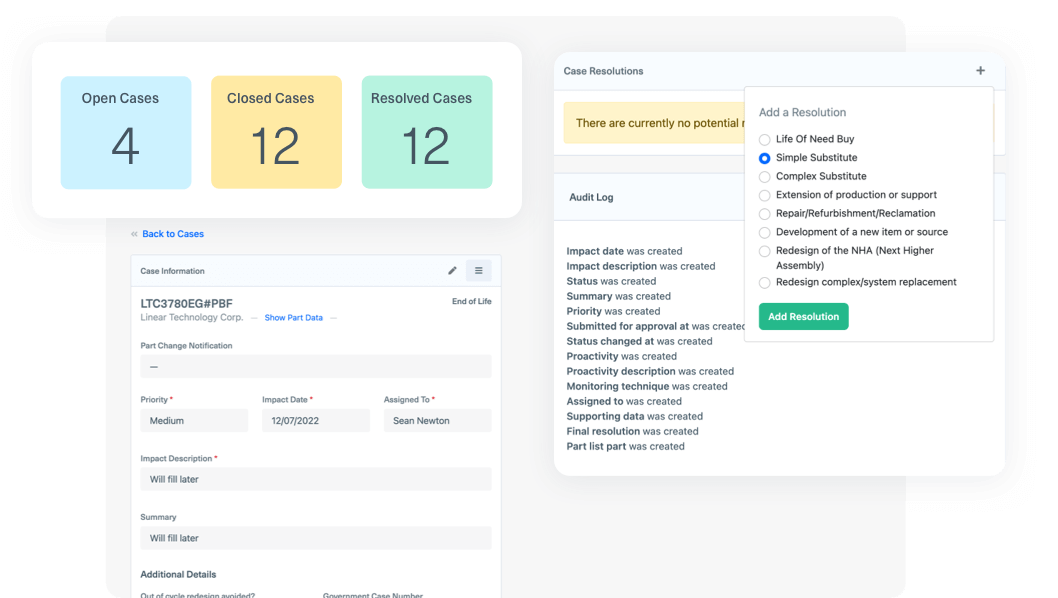
Collaborative platform for monitoring component shortages. Track, manage, and resolve risks through a case system. Easy sharing and documentation for team collaboration.
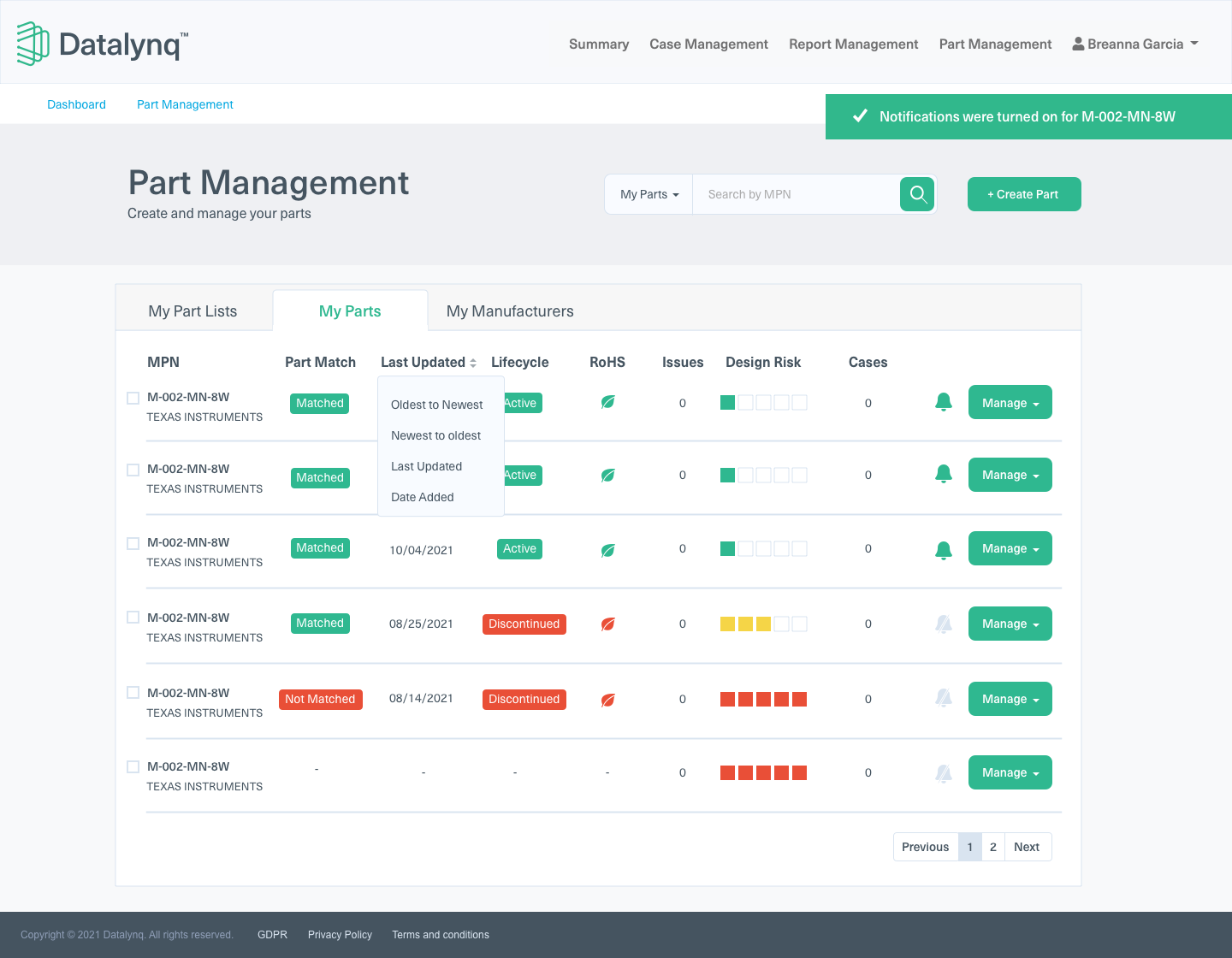
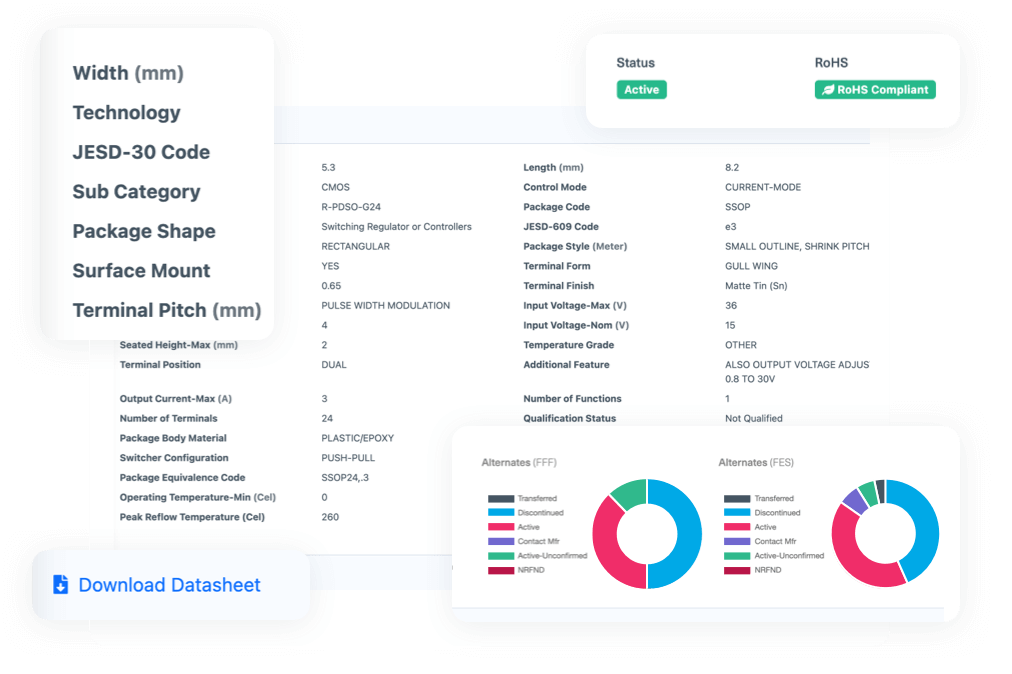
Seamless access to lifecycle status, technical specs, and alternate listings. Smart search and filter to simplify component evaluation. All critical data well-organised and accessible.
With no existing benchmarks, the research phase wasn't optional — it was the product foundation. We collaborated directly with industry leaders conducting extensive research sessions to understand their specific workflows, pain points, and decision-making processes around obsolescence management.
20+ user testing sessions on the prototype — an unusually high volume driven by the absence of market benchmarks. Each session refined our wireframes and validated that the feature set was genuinely solving the right problems.
Simple, intuitive web map to define what users need at a high level — breaking complex requirements into digestible components at 30,000ft.
Research-inspired wireframes validated through 20+ user testing sessions. Iterative refinement with the same feedback group throughout.
Transitioning to hi-fi unlocked more detailed feedback than wireframes alone — users could react to real product decisions, not just structural ones.
The MVP launched a new challenge: how to communicate a never-before-seen product. Built training videos, tutorials, and a homepage narrative to onboard users.
The design challenge throughout was making billion-dollar component risk management feel manageable to a user sitting down at the dashboard for the first time. Progressive disclosure, clear information hierarchy, and contextual data — not data dumps.
↑ Full design system and screens available under NDA — contact Mark for a walkthrough
Platform launched covering over 1 billion electronic components with real-time market intelligence and pricing history.
First publicly available obsolescence case management tool in the electronic component industry — no prior benchmarks, no competitors at launch.
Demand signal growing by hundreds of millions of RFQ data points monthly — platform intelligence compounds as usage grows.