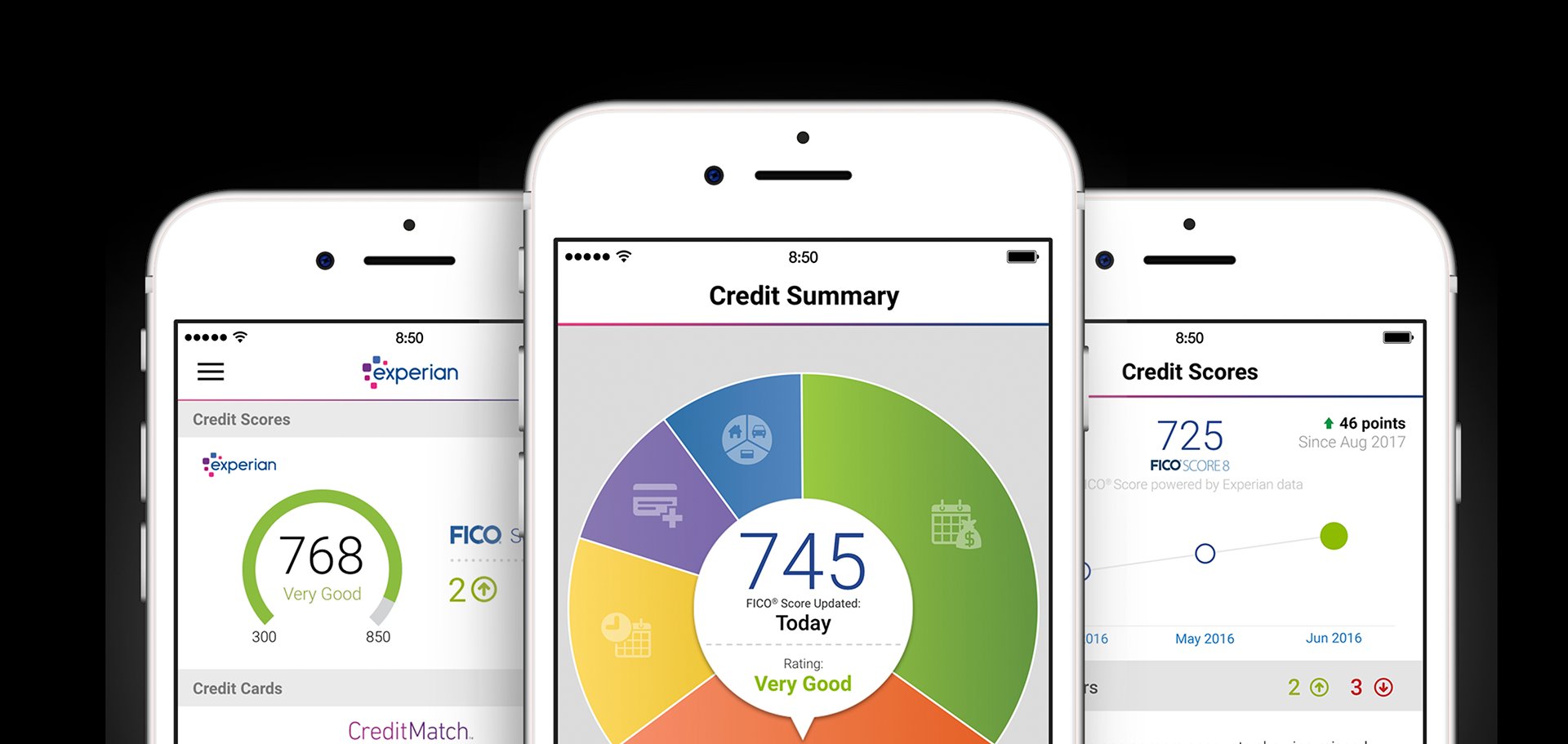
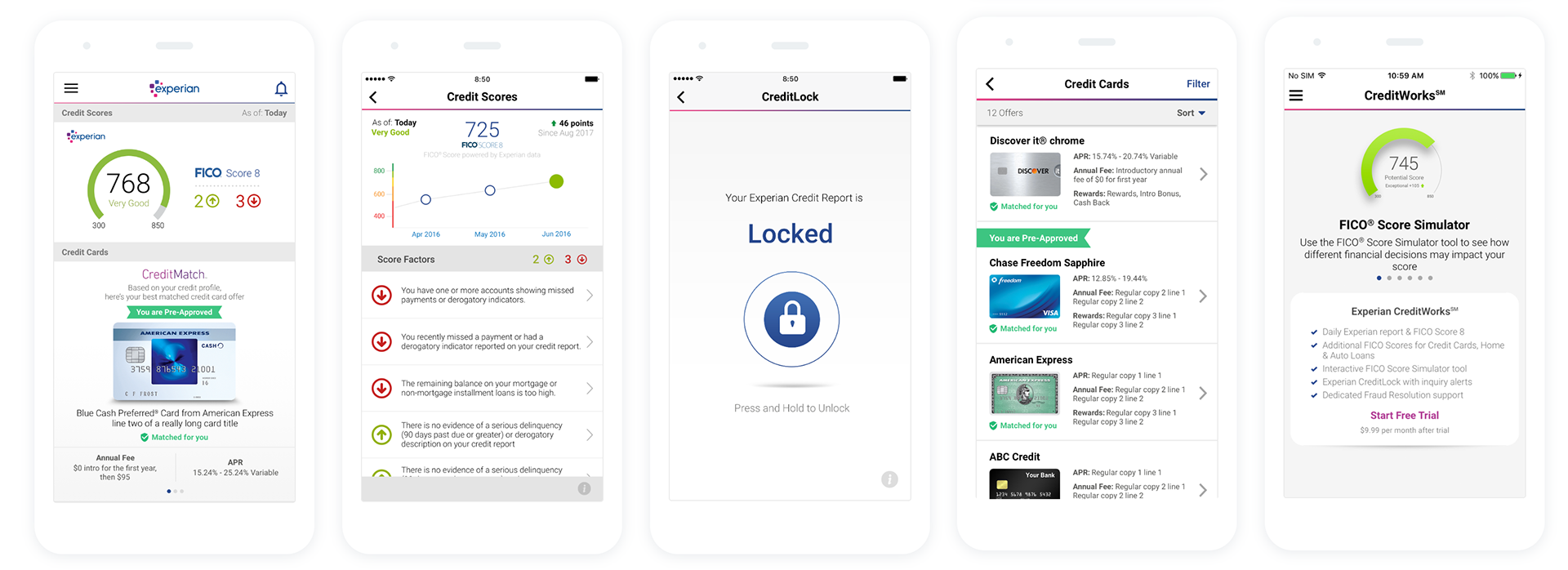
Led the multi-platform UX redesign of Experian's CreditWorks native app across Apple & Android — improving sign-up flows, condensing the desktop experience, and driving a 22-point conversion lift.
87% of Experian's members were already using native apps and mobile web. Yet the product experience had been built around the desktop — a vast, complex sign-up flow that created friction at every step. The opportunity was clear: rebuild the native mobile experience with simplicity as the core design principle, then let the learnings ripple back to desktop.
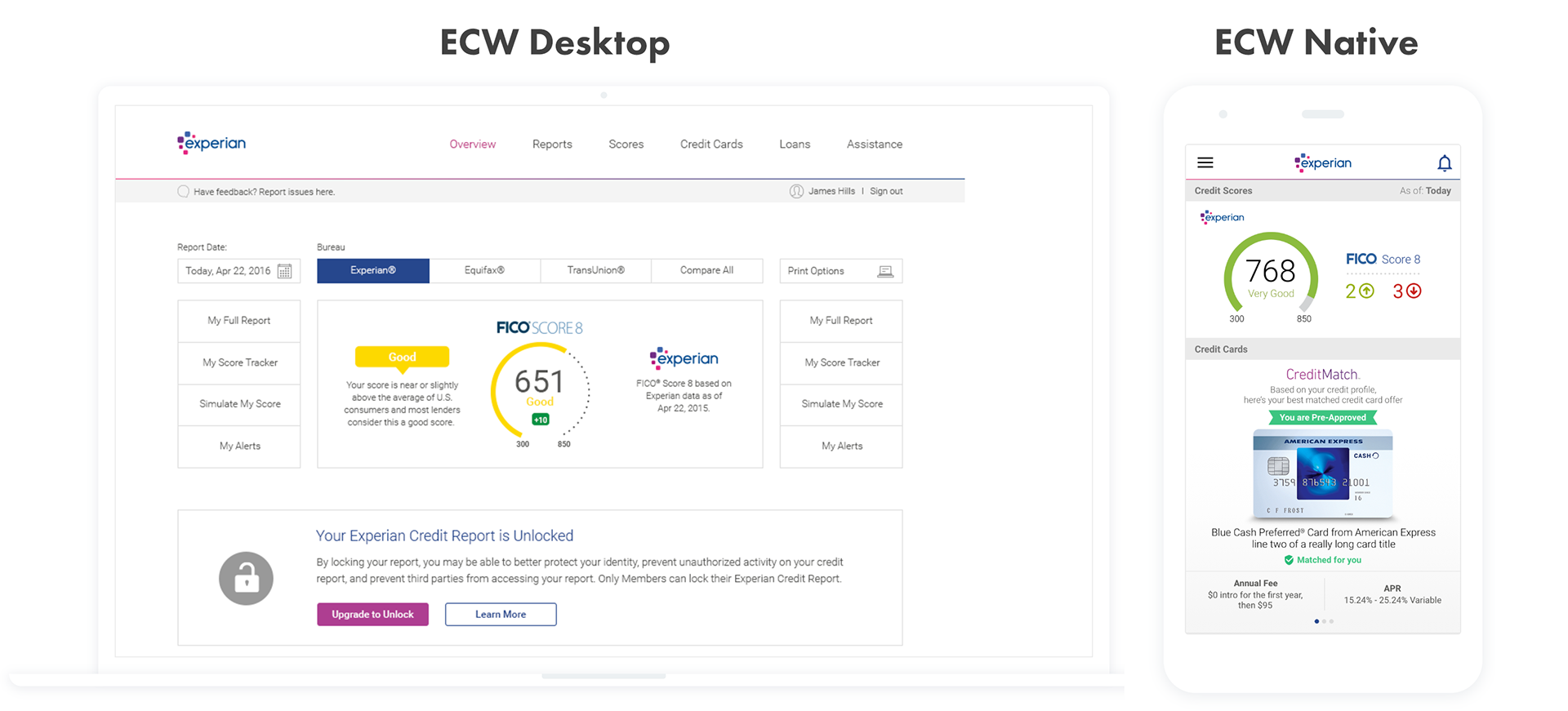
Working closely with the VP of Mobile, the President of Consumer Services, and senior PMs, I led a team of 9 designers to bring the CreditWorks desktop mother product to native iOS, Android, and mobile web — reducing input fields, security questions, taps, and pages at every turn.
The less friction between a user and their first moment of value, the higher the conversion rate. Every removed field, every collapsed step, every simplified decision was a direct bet on that principle — and the data proved it out.
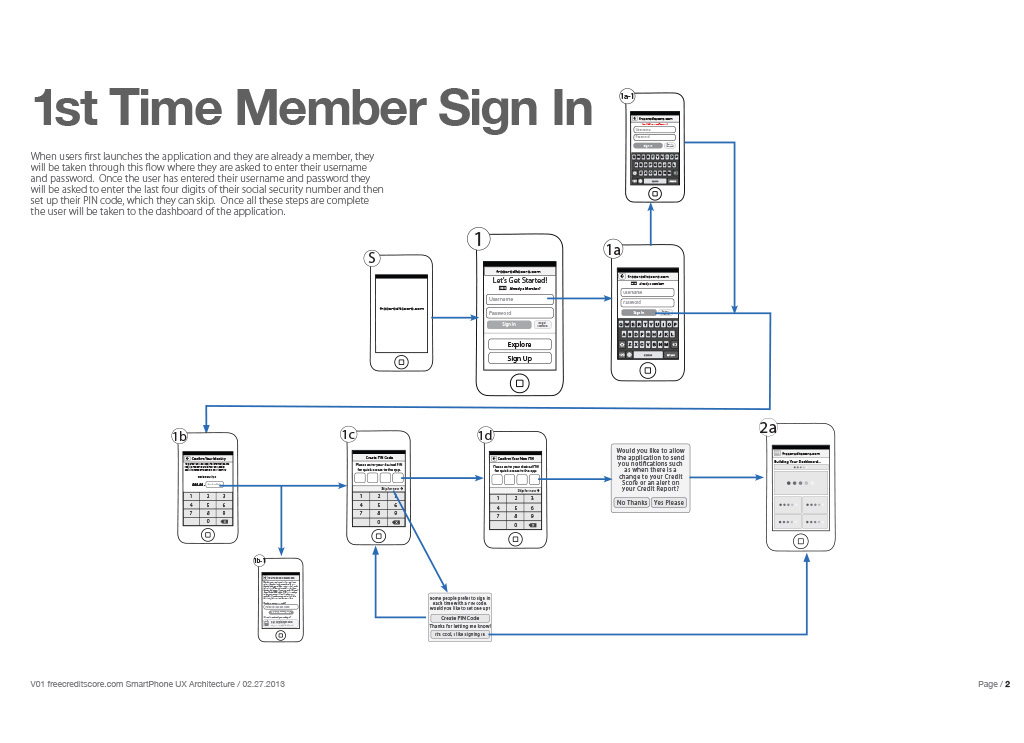
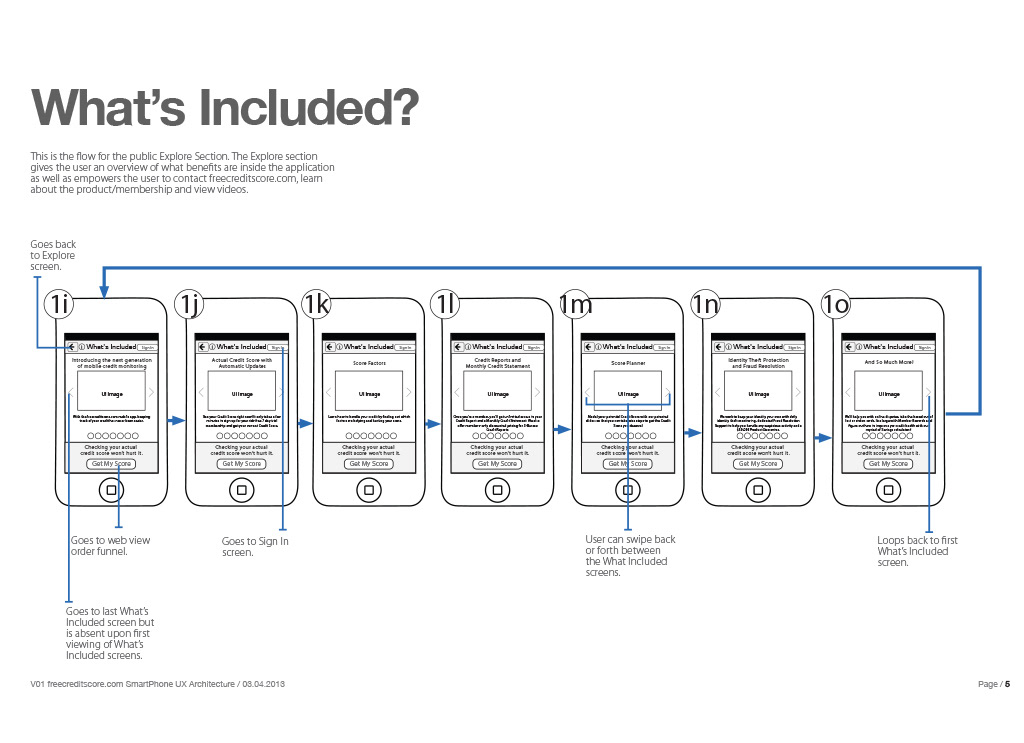
The existing CreditWorks sign-up flow had been designed for desktop — long-form, multi-page, with extensive security question flows that made sense for a web session but created significant drop-off on mobile. The challenge wasn't just to make it work on smaller screens; it was to rethink what information was truly necessary and in what order.
Desktop-origin flows with too many fields, steps, and security questions — designed for a seated web session, not a mobile moment.
Desktop, iOS, and Android told three different visual and UX stories — breaking trust and confusing returning users switching between platforms.
Despite 87% of users being on mobile/app, desktop conversion sat at 42% — a signal that even desktop users were experiencing a bloated, unclear experience.
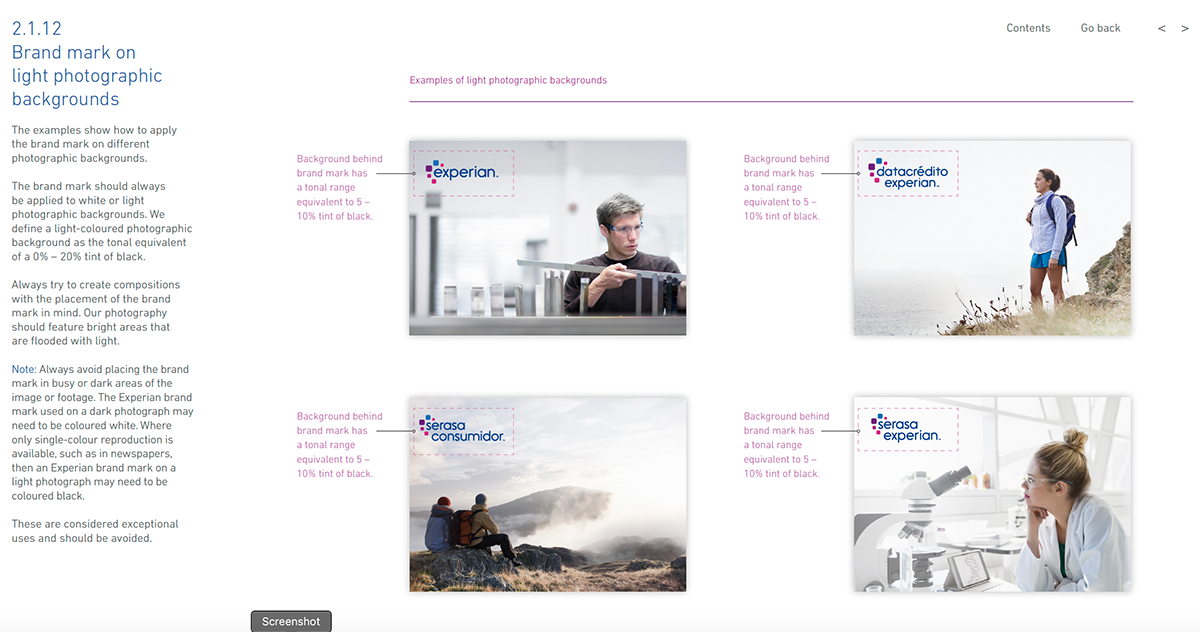
A five-year rebrand was underway at Experian Consumer Services with no cross-platform style guide to anchor it — leaving iconography, color, and type inconsistent.
The core design hypothesis: simplifying the native mobile sign-up flow would create a reference point for what the desktop experience should aspire to — leaner, clearer, faster to value.
Full flow audit across iOS, Android, and desktop. Mapped every input field, security step, and page to identify where drop-off occurred and why.
Worked with PMs and stakeholders to ruthlessly prioritise: what information is actually required at sign-up vs what can be collected post-activation?
Rebuilt the mobile sign-up flow from scratch — progressive disclosure, inline validation, and a single-column layout optimised for thumb interaction.
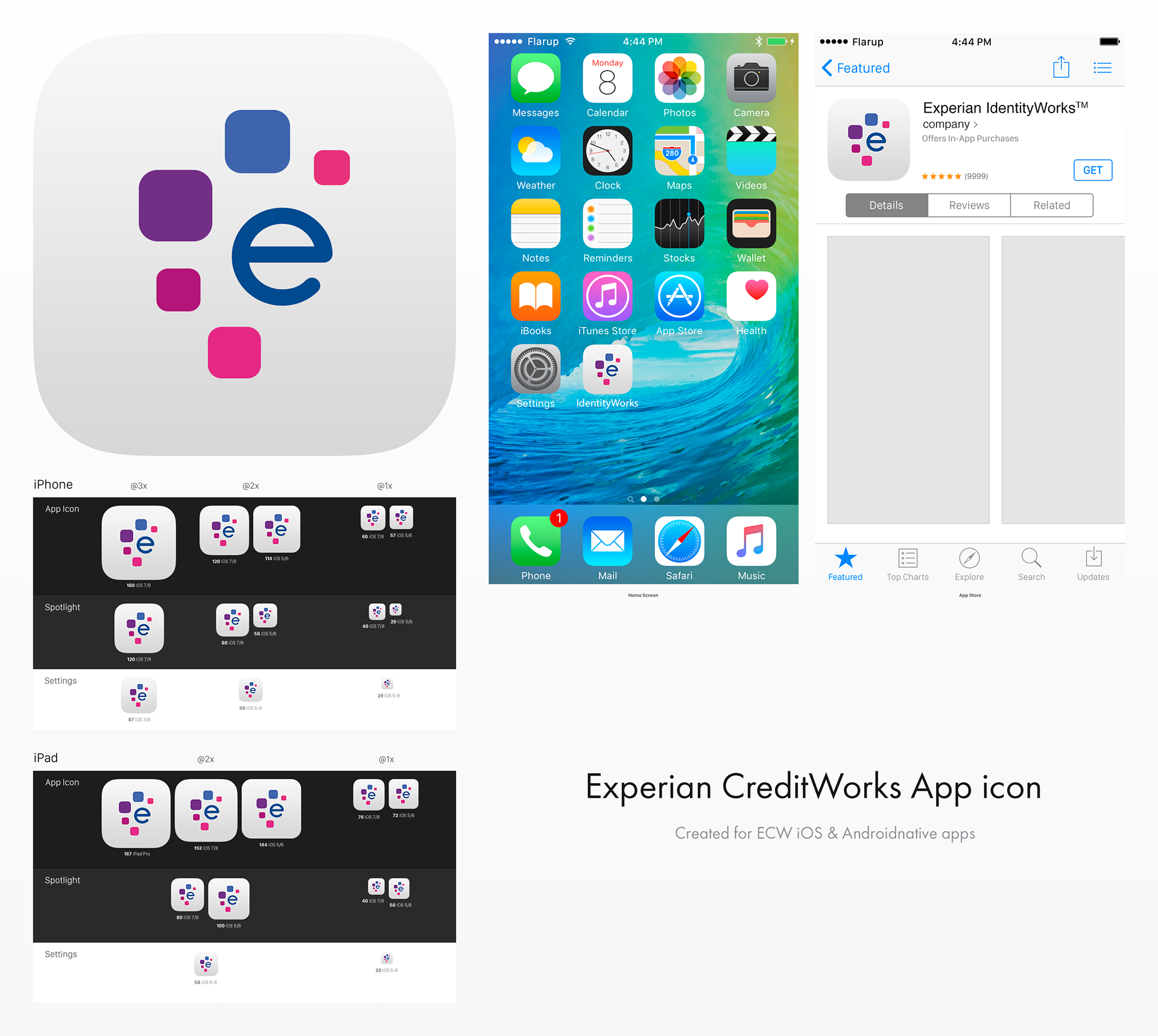
Led a team of 4 to build the cross-platform style guide and iconography system — anchoring the rebrand with a consistent visual language across all surfaces.
The native app experience was rebuilt around three principles: show less, ask less, deliver value faster. Progressive disclosure reduced cognitive load. Single-column layouts eliminated horizontal scanning. Inline validation replaced page-level errors.
↑ Visual designs available under NDA — contact Mark for a walkthrough
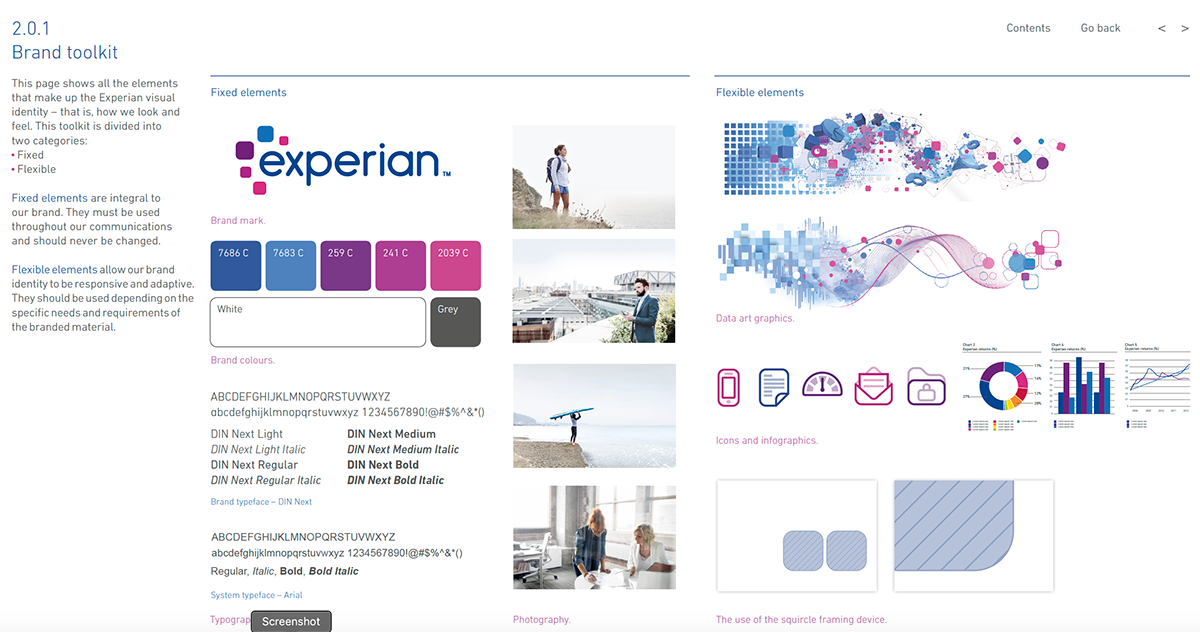
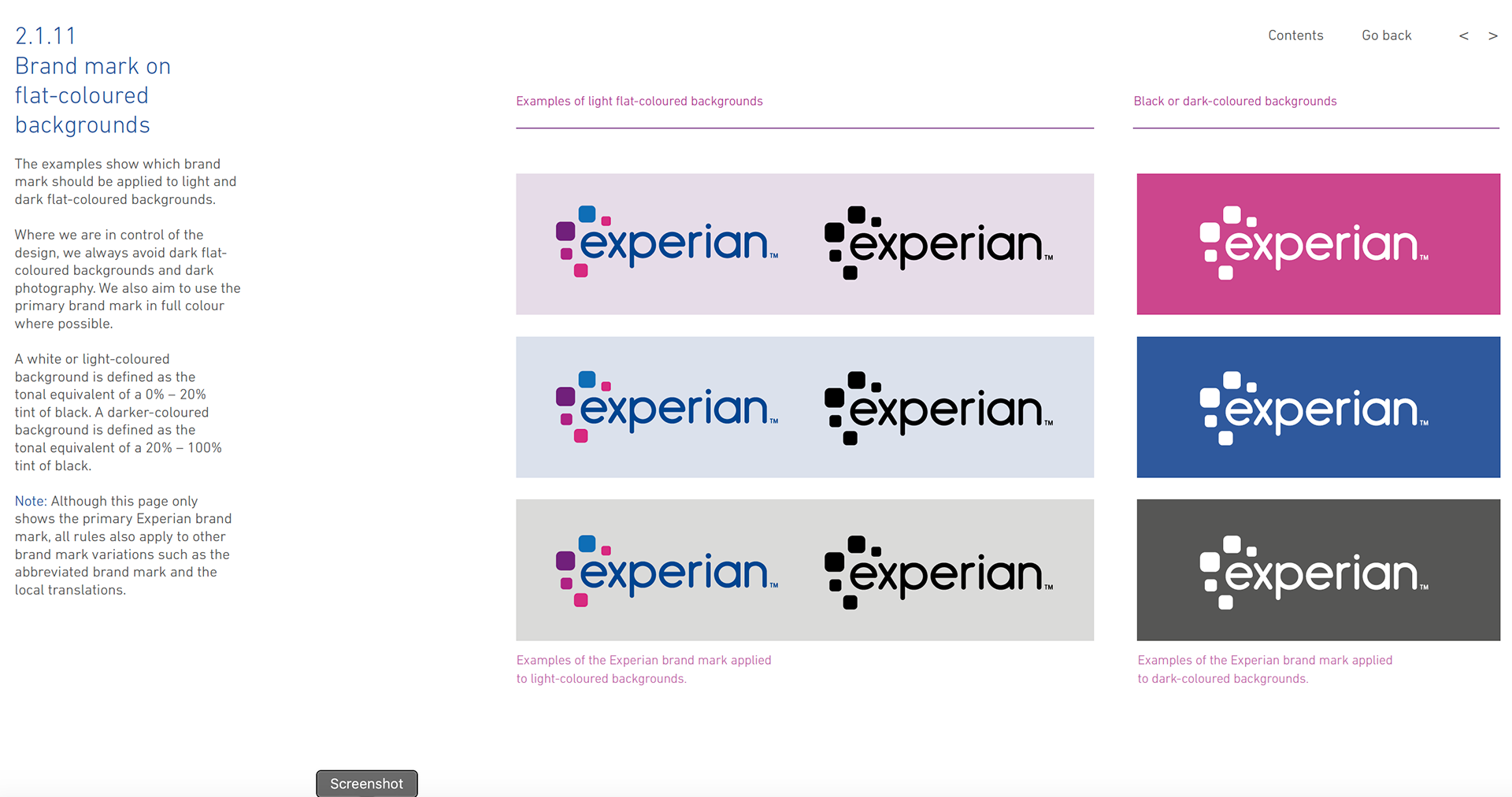
Experian Consumer Services underwent a major rebrand over five years. I directed and led a team of 4 to produce a comprehensive cross-platform style guide — the first to unify visual language across iOS, Android, mobile web, and desktop.
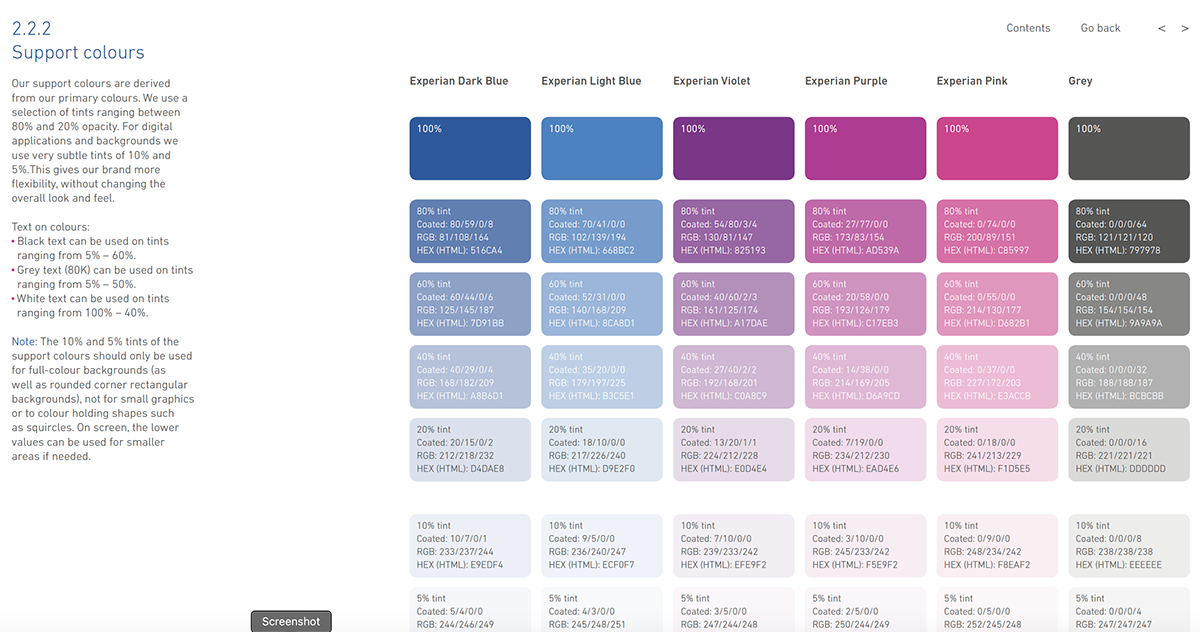
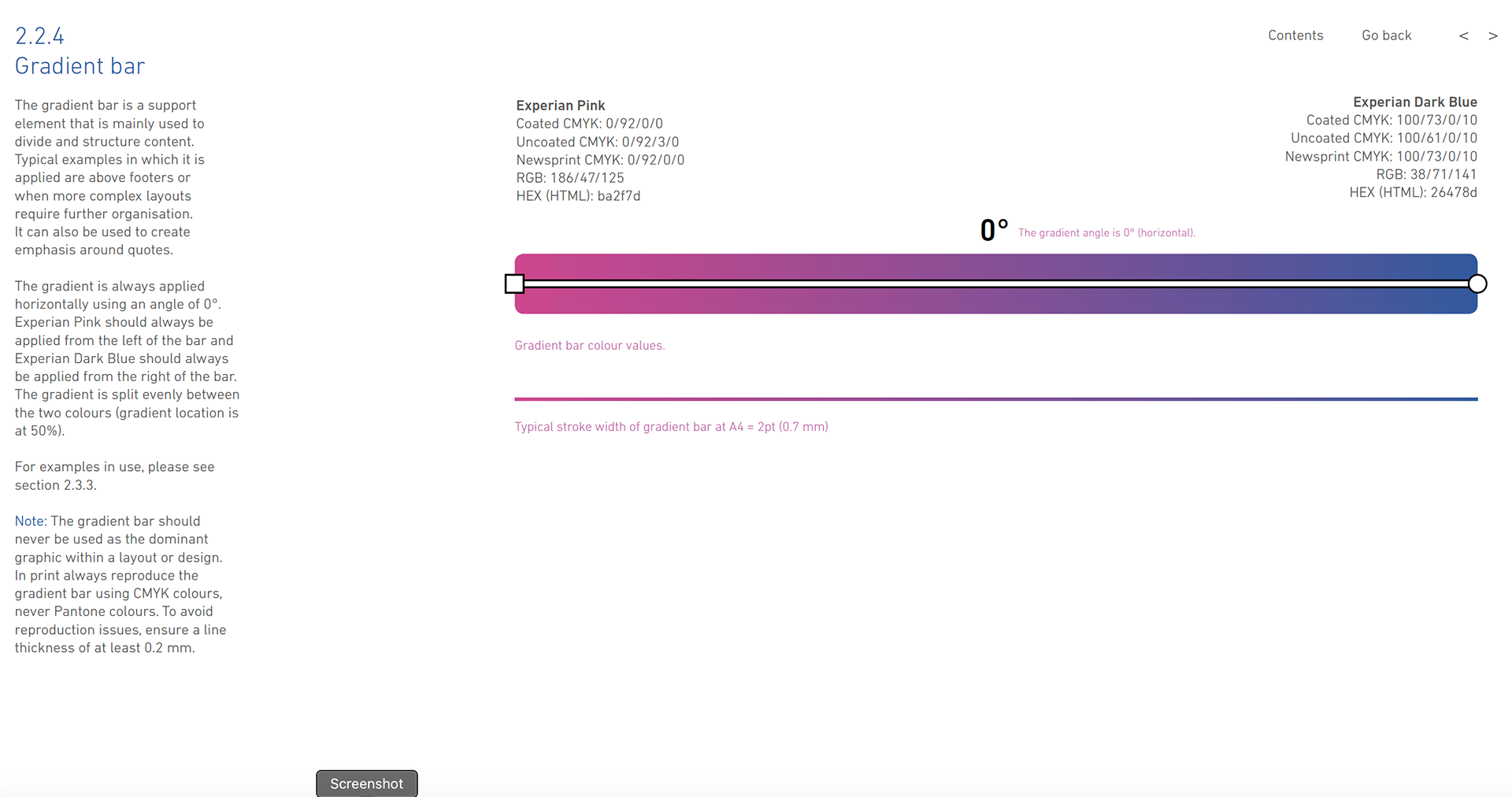
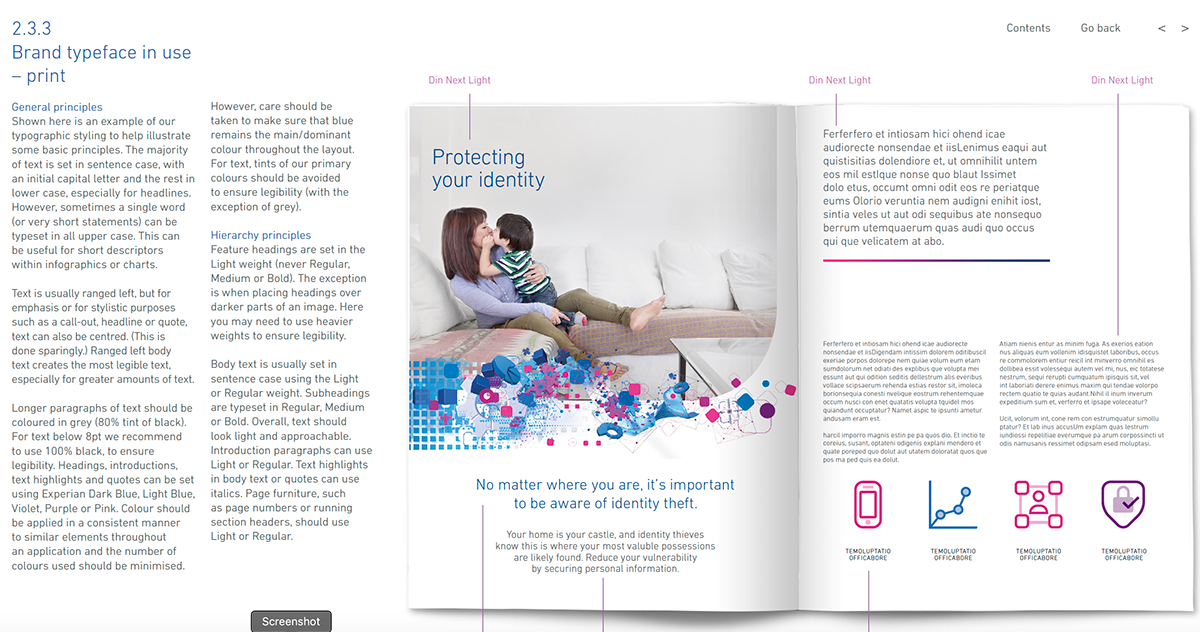
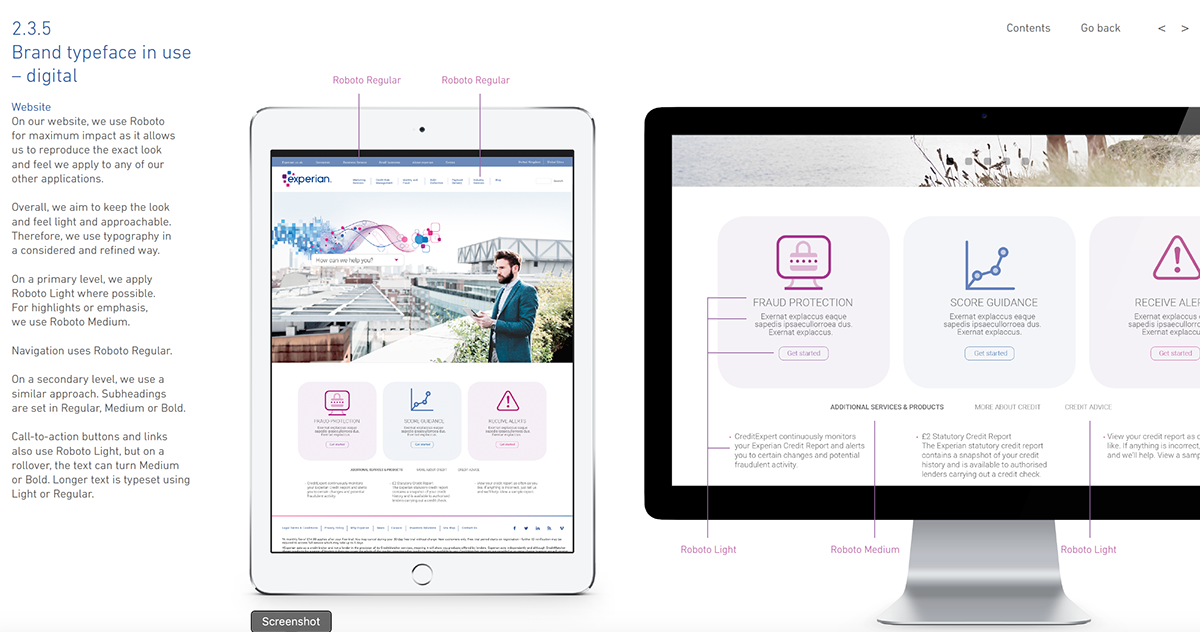
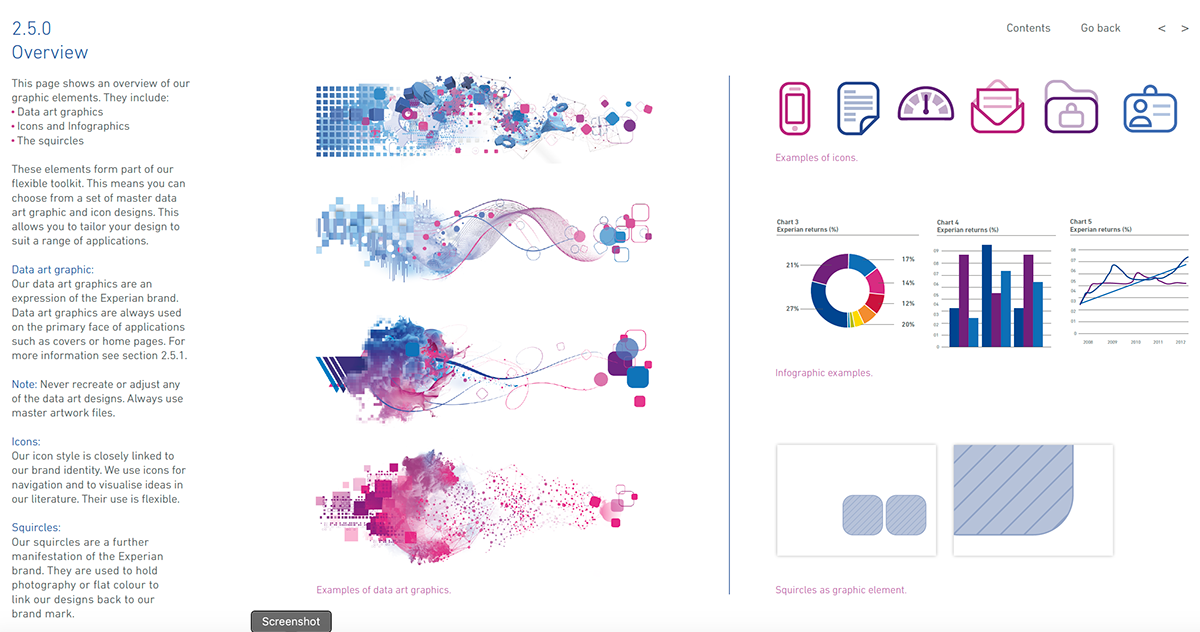
The system covered typography, color tokens, spacing scales, button states, iconography, and component specifications — ensuring that any designer joining the team could build on a consistent foundation.
Semantic color tokens mapped to both light and dark modes across all four platforms
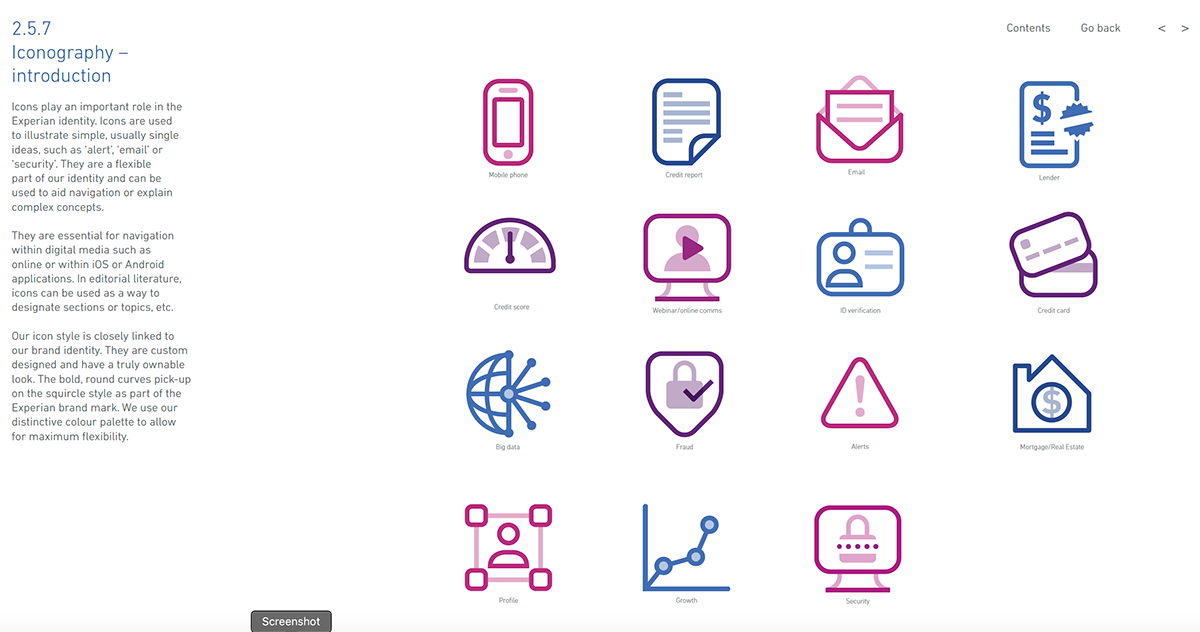
Custom icon set designed for financial clarity — trust-forward, accessible, consistently weighted
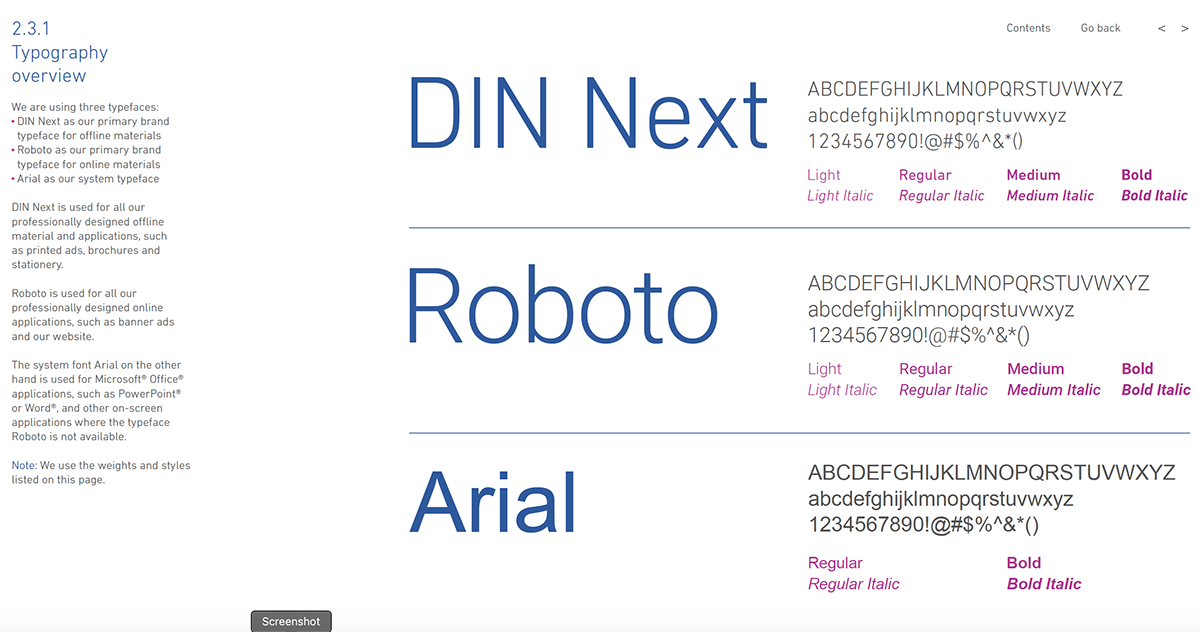
Type system anchored to Experian's brand fonts with mobile-optimised sizing and line-height
Shared component library in Figma used across all 9 designers and synced with engineering tokens
Removing excess information and clutter from the native mobile experience created a ripple effect across platforms. The discipline forced by mobile constraints made the desktop rethink its own complexity — and the numbers followed.
Desktop conversion went from 42% to 64% after the mobile-first redesign raised the bar for the entire product ecosystem.
Validated that the majority of Experian members were mobile-first — making the design decision to lead with native a business imperative, not just a UX preference.
First cross-platform style guide in Experian Consumer Services history — anchoring the rebrand across iOS, Android, mobile web, and desktop simultaneously.